

Castiel Haripersad ’25 & Micheal Wolanik ’25
Copy Editor & Contributor
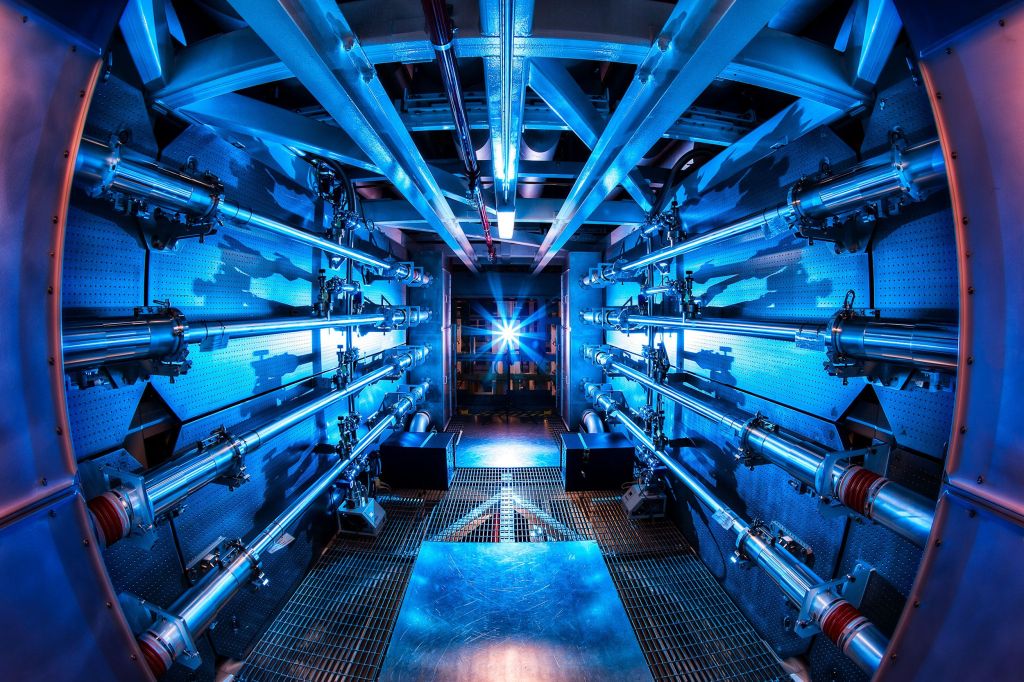
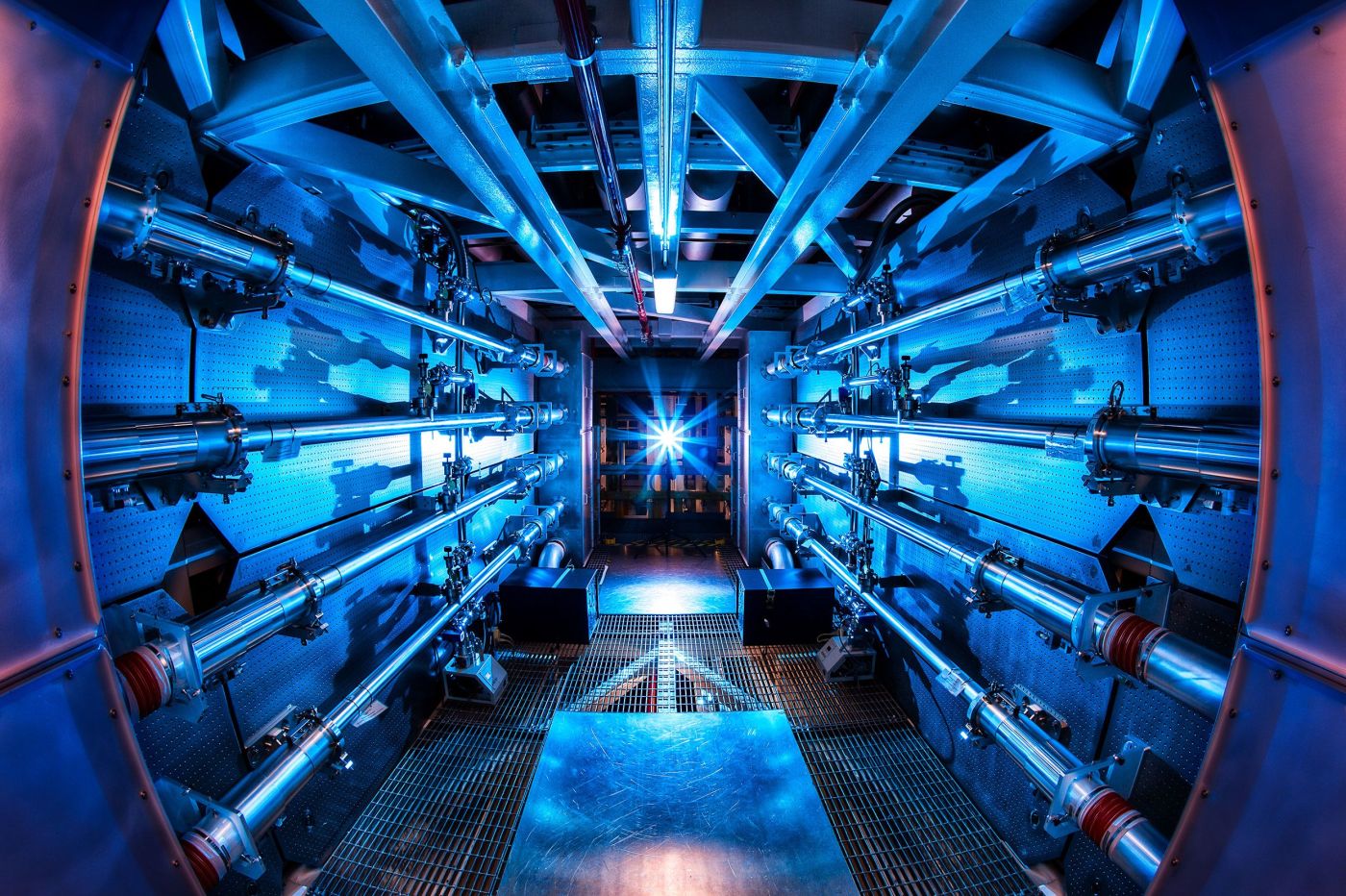
Clean limitless energy. In 1951, when the idea for a fusion reactor that mimicked the internal workings of a star was created, it was said that it would solve all the world’s problems. It would be a wellspring of limitless clean energy – only a few years away. Decades later, with the impending doom of climate change at our doorstep and the need for a universal alternative to fossil fuels, we still haven’t made the miraculous leaps in fusion needed to save humanity, but we have made progress.
Nuclear fusion is the process by which two hydrogen atoms collide to produce one heavier helium atom and, in the process, release an astronomical amount of energy. Nuclear fusion occurs constantly in the Sun and provides the energy needed to sustain life on Earth.
Since scientists do not have access to anything as large or hot as a star, they have resorted to other methods to elicit fusion reactions here on Earth. Two hydrogen atoms are merged in fusion, and isotopes are usually used. Deuterium, an isotope of hydrogen, is found abundantly in our oceans and is stable enough to create fusion reactions. The other stable isotope of hydrogen is called tritium, which is three times more expensive than gold and used solely in nuclear bombs. Scientists have theorized that colliding deuterium with helium-3 would produce the greatest amount of energy. Unfortunately, this isotype of helium exists only on the moon, but in abundant pools on its surface because the moon has no ozone layer to block the radiation which creates it.
While fusion has been achieved in the past, it is hard to recreate its success and produce net positive amounts of energy. Fusion reactors will remain in the realm of science fiction until tests become more fruitful and investors move from more reliable energy sources like solar or gas. Despite its development being fraught with challenges, fusion energy may soon become humanity’s standard method of energy production, just in time to overcome the climate crisis.
 The Crusader News