
Adam Haleis ’25
Contributor
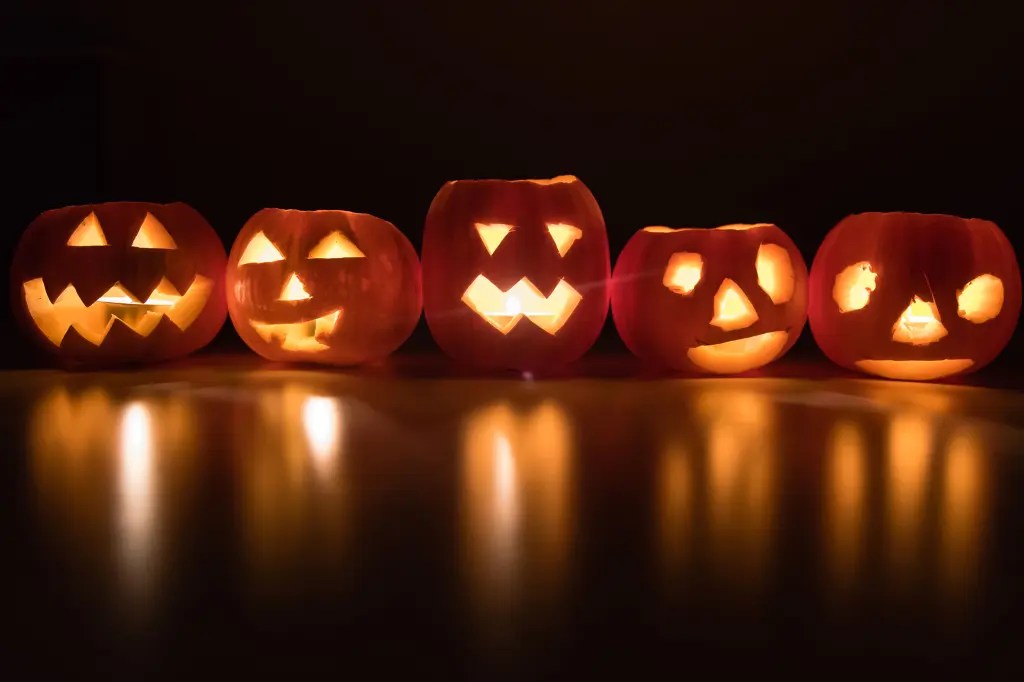
Photo Credits: Shutterstock
Halloween, also known as All Hallows’ Eve, is a widely celebrated holiday that takes place every October 31. Whether it is picking out the perfect costume or deciding what neighbourhoods give out the best candy, children across the world have grown up enjoying the celebration of all things death and macabre. However, since childhood, many have been informed by their parents that Halloween is associated with Satanic elements and that there is a darker meaning behind the festivities. So where does the holiday get this reputation from? And are the festivities purely innocent, or is the devil in the details?
Halloween’s origins date back 2000 years to an ancient Celtic festival. The festival, which was called the Festival of Samhain, celebrated the end of the harvest season, the departed, the beginning of winter, and the end of the Celtic calendar.
The celebration lasted three days from October 31 to November 2. Ancient Celtics believed it was a period where the barrier between the spiritual world and the physical world was lifted, allowing spirits to crossover much more easily and making them more powerful. During Samhain, people would dress up as evil spirits by wearing animal skins to ward them off as they believed it would stave off curses.
In the 5th Century, as Christianity expanded, Catholic missionaries found themselves in modern day Ireland, home to the Celts. The missionaries found it easier to convert others by incorporating Christianized versions of formerly Pagan celebrations to the Roman Catholic Calendar. The practice of celebrating Samhain later became All Hallows’ Eve, All Saints’ Day, and All Souls’ Day; these are practiced on October 31, November 1 and November 2 respectively. During these observances, instead of idolizing curses and druids, the focus is more on the commemoration of the saints and the souls of those who have passed during the year. The festival was still held, bonfires were lit, and costumes were made, but it was now done to honour Christian heroes.
In 1776, a group of Catholics attempted to assassinate the Protestant monarch, King James I, in the famous Gunpowder Plot. One of the conspirators, Guy Fawkes, become a symbol for the Protestant triumph over the Catholics. The holiday Guy Fawkes Day was then celebrated, with much merriment, including drinking, feasts, and fireworks. The celebration’s use of feasts later was incorporated into modern day Halloween.
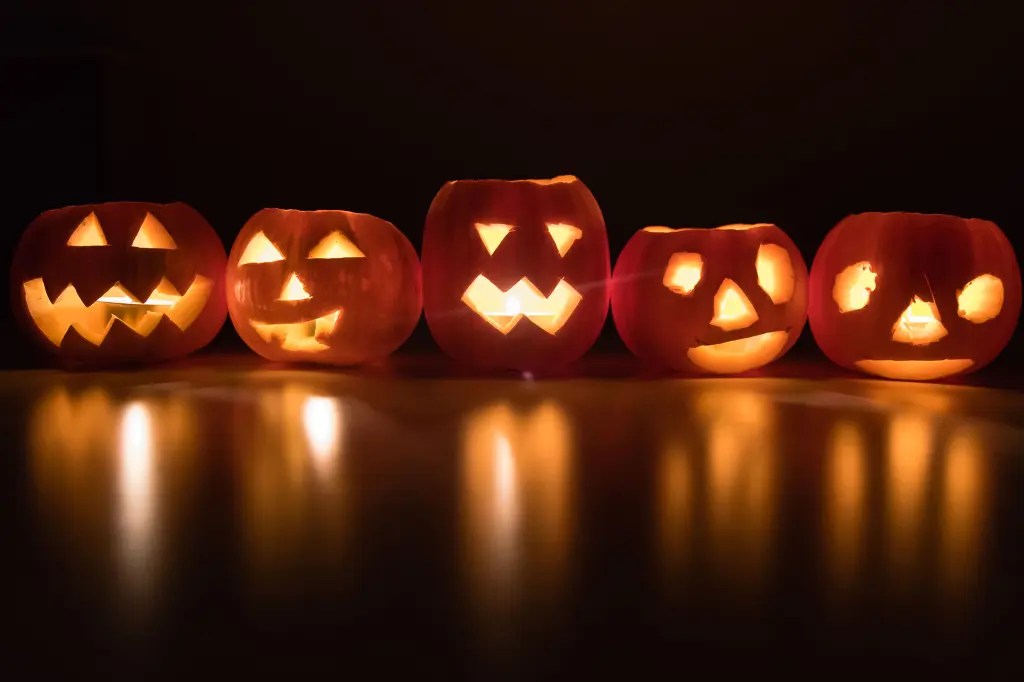
In the 19th century, due to the Potato Famine, many Irish families moved to North America bringing their traditions and practices. The use of Jack-o’-lanterns, ‘trick or treating’, and dressing up in costumes for All Hallows’ Eve all transferred during this time. It wasn’t until 1927, when the practice of ‘trick or treating’ was mentioned in newspapers, that the practice spread across North America.
Despite Halloween’s negative reputation among religious households, the practice of All Hallows’ Eve began with good intentions. The celebration has developed over centuries from ancient traditions that honoured the deceased and celebrated the change of the seasons to the modern-day celebration of death and souls. The Christianisation of these formerly Pagan traditions transformed the festival into a time for remembrance and community. In that sense, Halloween celebrates creativity, happiness, and builds a sense of community among neighbourhoods today.
 The Crusader News