
Michael Wolanik ’25
Contributor
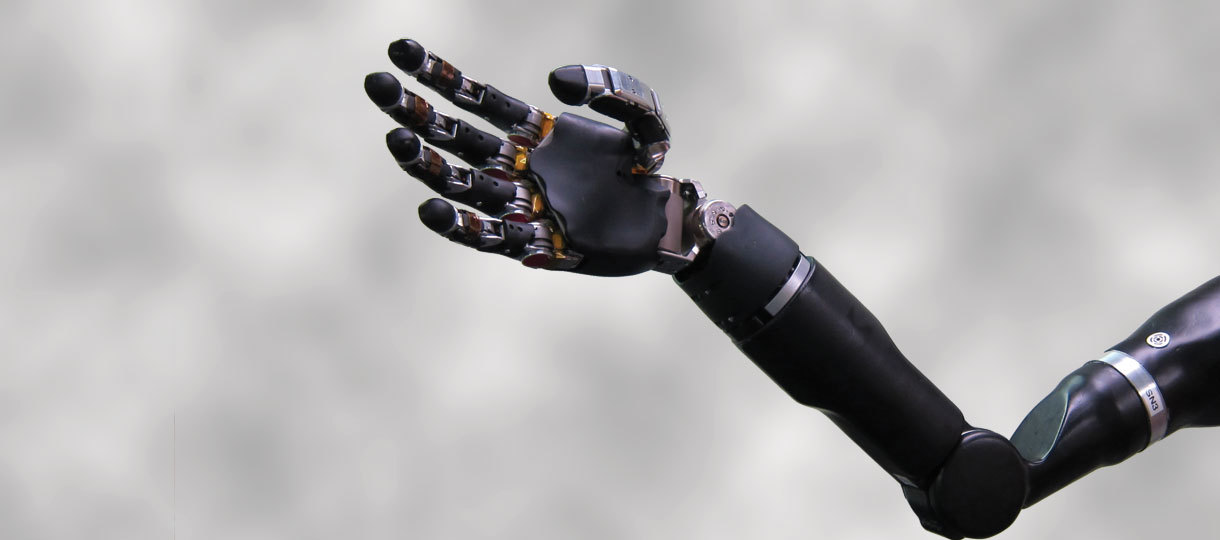
Prosthetics, replacements for missing limbs, have been developing for hundreds of years. Though initially cosmetic imitations, they have developed into fully functional robotic limbs. Recent developments in prosthetics have even granted amputees the sensation of touch in their replaced arms. Replacing limbs has been an issue since humans have had limbs to lose, resulting in the development of a variety of replacement limb designs throughout history.
The first ever recorded prosthetic is from Ancient Egypt, between 950 to 710 BCE. These were not limbs, but rather toes—the big toe to be exact, made from wood and leather. Recordings of semi-functional prosthetics began approximately 200 BCE with Marcus Sergius. Sergius was a Roman general who lost his hand in the Second Punic War but returned to the battlefield with a prosthetic arm that held his shield.
By the 16th century, prosthetics started to become intricate, with the ability to make more elaborate movements. Götz von Berlichingen, a knight from Germany, returned to battle with an iron hand attached to his armor. His prosthetic was able to grip reins and weapons. Prosthetics were also used outside of combat. Venetian surgeon Giovanni Tommaso Minadoi described that after replacing his appendage with a prosthetic, he could remove his hat, untie a purse, and most shockingly, write with a quill. However, these early prosthetics were not autonomous and required another hand to use.
Mechanical prostheses began as early as 1818. Leather straps were attached to the remaining arm muscles and, when the muscles contracted, parts of the arm would move. Even today, the latest robotic prosthetics use the same principles to function.
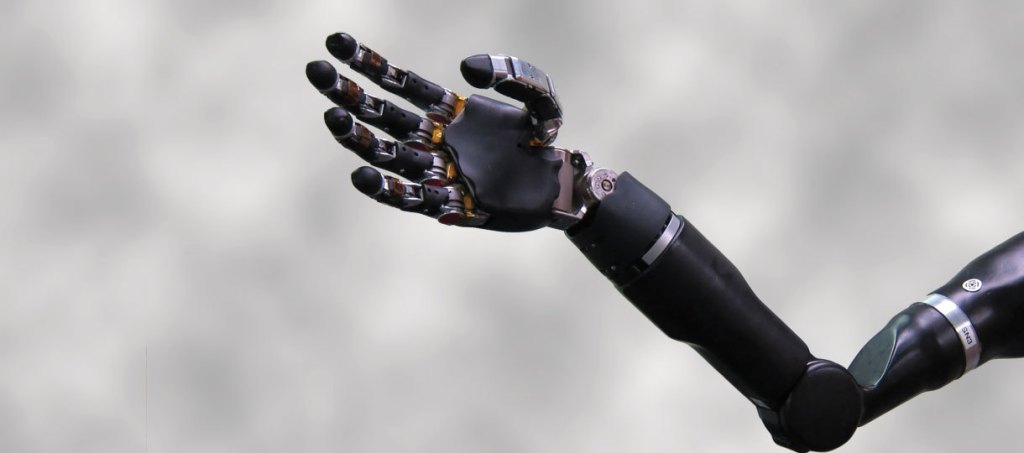
Present-day bionic arms are the most advanced prosthetics ever created. These replacements are the crowning achievement in prosthetic science. By implanting electrodes in the muscle, which pick up the brain’s electrical signal for movement, those with artificial arms can now regain their sense of touch. This basic sense of touch allows people to hold delicate objects without breaking them by squeezing them too hard, previously an issue for those with prosthetics.
Where can prosthetics go from here? To start, the touch sensation has been described as low definition, similar to the feeling of your hand waking up after falling asleep. While prosthetics are rapidly developing, the necessity of treatments before the ability to use prosthetics, like physical therapy, act as barriers to those who have recently lost limbs. Finally, the price is astronomical, and the cost is often only partially covered. The typical bionic arm costs from 20,000 to 80 000 CAD. If these issues can be sorted out, and with further development of this technology, one day amputees may live as if they never lost anything.
 The Crusader News