
Castiel Haripersad ’25
Contributor
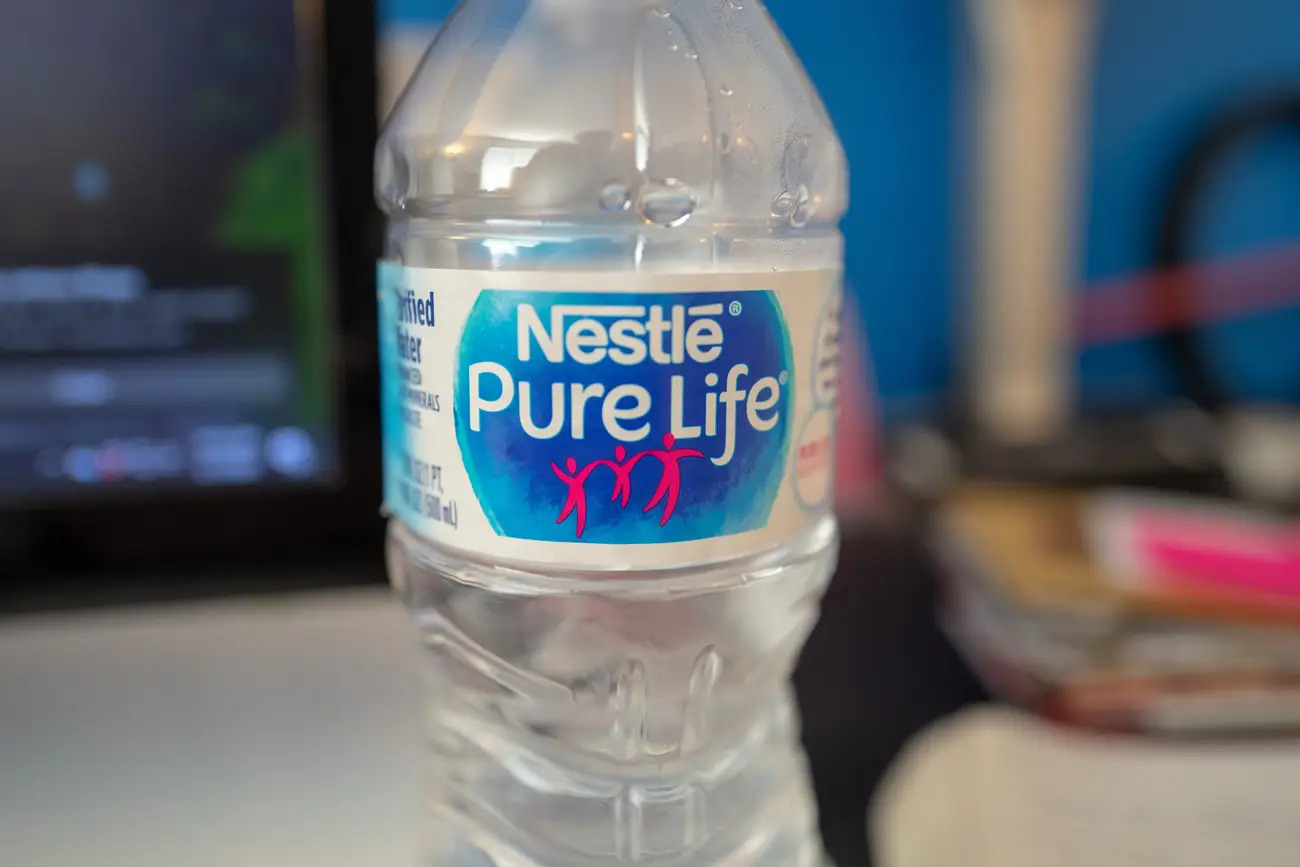
As COVID-19 devastated the world in 2020, many overlooked the small victory for Canadians when, on July 20, 2020, Nestlé Water left the Canadian market. The international company was forced out by the Council of Canadians and First Nation communities due to excessive withdrawal of freshwater from underground reservoirs.
Nestlé has long been involved in the Canadian market, bringing business to the country as far back as Confederation in 1867. Nestlé bottled water was one of the last products Nestlé brought to Canada, followed by Nescafé powdered coffee and MAGGI bouillon cubes almost 100 years earlier, after buying Perrier Vittel Water in 1992. Nestlé re-named the company Nestlé Water and set up multiple plants in Hope, British Columbia, Aberfoyle, Ontario, and along Lake Erie.
Running seamlessly, these plants extracted billions of litres of water without any objections due to the inadequate laws protecting against withdrawal from underground reservoirs. However, by 2013 residents living in communities around BC and Ontario reported drought due to excessive withdrawal by Nestlé. The conflict only grew worse when Canadians realized that Nestlé was not taxed for extracting fresh water and the water was being sold back at inflated prices.
Provincial organizations like the Water Supply Association of British Columbia amended their legislation in 2014 to create stricter laws to protect water. Nestlé was undeterred and continued extracting water by the millions of litres daily. Nestlé’s extraction just outside of Toronto left 63,000 residents of Six Nations Treaty Land without clean drinking water and, as a result, many residents contracted illnesses due to contaminated water.
Finally, after complaints from all over the country, the Council of Canadians—an activist group made up of Canadian citizens and the various affected communities—decided that it was time to sink Nestlé’s involvement with Canada. The Council of Canadians encouraged a boycott of Nestlé products and advocated for a ban on permits to withdraw water. Years of continual opposition towards water withdrawal from both the Council, First Nations groups, and local communities affected by the withdrawal led to Nestlé’s secession from Canada in 2020.
With Nestlé Water’s absence, there is now a flood of new water companies trying to fill the gaping void in the bottled water empire. Incumbents like Ice River Springs still have control, but new companies like Davren Springs are trying to expand into the free real estate left by Nestlé.
However, a watchful eye has been placed on these companies with new laws and united communities ready to battle should a new aggressor ever emerge.
 The Crusader News