
Aristotle Anguluan ‘26
Contributor
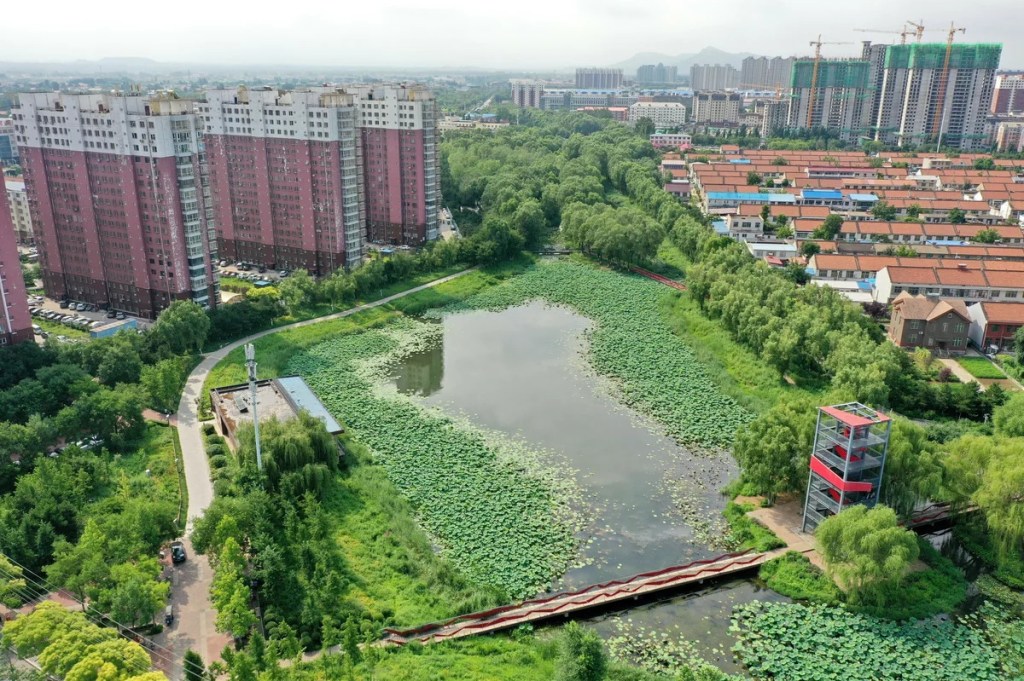
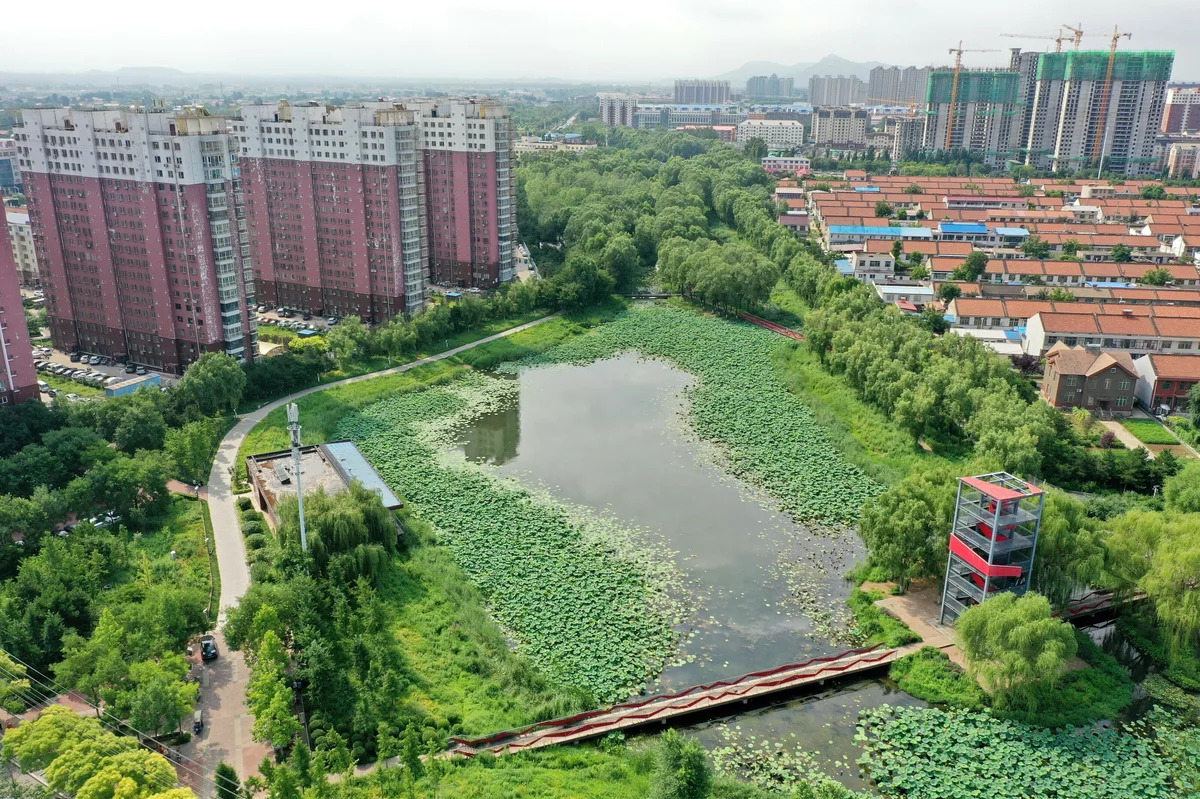
Go to Nanchang, one of the most populated cities in China, and you will see a park that looks like a forest. It is an urban park. Filled with birds, native trees, and volcanic rocks on 137 acres of land. This park, and others like it, are part effort to turn Nanchang into a “sponge city,” a type of natural infrastructure that architects around the world are designing to combat and withstand climate change.
But what exactly is a sponge city? They are cities designed to collect rainwater through sustainable urban drainage systems. These drainage systems reduce damage from flooding inundation. This contrasts with most cities today, built on concrete, which cannot absorb water. The goal for sponge cities is to maintain biodiversity.
Biodiversity is one of the main support systems for life on earth. We rely on natural ecosystems full of diverse plants, animals, and organisms for essential things like clean water, food, and medicine, this is why it is critical to defend the Earth against climate change.
Healthy forests absorb carbon dioxide from the air and native plants for pollinators to help crops flourish. However, as urbanization continues, habitats are lost, which directly imperils some species, profoundly impacting global biodiversity. There is a solution for how cities can conserve biodiversity, by creating environments where nature can flourish and soak up excess water.
In 2015, China launched a sponge city pilot program in 30 cities across the country. The goal was to coordinate and promote the construction of sponge cities, which would improve urban drainage and flood prevention, creating a diverse biological environment. Architects did this by supplementing the existing grey infrastructure that relied on concrete pipes and dams with natural solutions like gardens that are designed to capture rain and native trees that suck up excess water through their roots. Their ideas were taken from ancient drainage systems. For centuries, Chinese cities handled drainage and flooding because they were built with nature in mind. They built roofs designed with sloped eaves, which allowed rainwater to fall onto the permeable pavement and exterior walls lined with flowers and trees to absorb rain and stormwater.
Despite these benefits, sponge cities cannot fix everything. The relationship between climate change and flooding is still being researched. In 2021, sponge city designs in Zhengzhou failed when a historic rainfall drenched the city. More than 300 people died from the catastrophic flooding. National standards and codes are hard to enforce because climate, hydrology, and even socioeconomic conditions are vastly different from one city to the next. Ambitious sponge city designs are expensive and require a lot of space, which most cities do not have.
China’s sponge cities present a compelling solution to the problems the world faces today. Their increased biodiversity allows not only for protection from urban flooding but also gives their citizens a greater connection to the natural environment. Though they certainly are not a silver bullet given their cost and difficulty to implement, they offer a glimpse into a world where humanity can live in peaceful coexistence with the natural world.
 The Crusader News