
Thomas Maksim ‘25
Contributor

On the Liberal Party of Canada’s platform from 2015, one of the first things listed is “Affordable Housing”. They mention a ten-year infrastructure plan that, when implemented, will fix Canada’s housing industry. But eight years later, Canada is in the midst of a housing crisis where the average house costs double the 2015 average. So, what’s the issue? Canada simply does not have enough homes for people to live in.
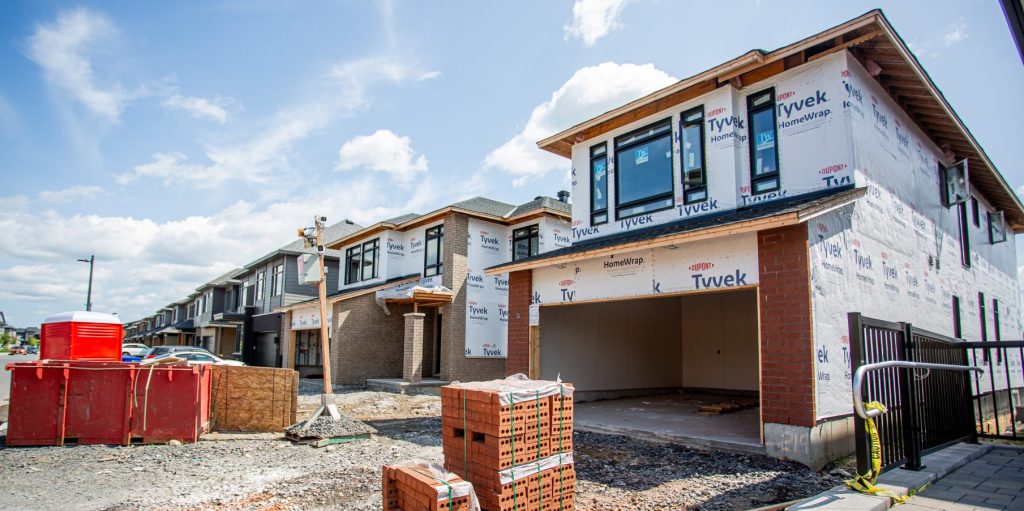
According to Canada’s Housing Agency, 5.8 million homes must be built by 2030 to reduce housing costs. Canada is on track to build 2.3 million houses by 2030, but there isn’t enough construction happening, and there are multiple reasons for this. First are the zoning laws. Canada has infamously strict regulations regarding where residences can be built, which prevents new homes from being built easily and efficiently. Another problem is that there is a labour shortage in the construction industry, meaning that even if zoning laws could be loosened, there still wouldn’t be an adequate workforce to construct them.
Although the government has announced new housing measures to reduce the crisis’s burden on Canadians, the new plans may be doing too little, too late for many homeowners. Canadians are struggling now and cannot wait for years. Starting in the 2010’s, banks lowered interest rates to record lows to encourage investment in the country. This was effective for a while and helped grow the Canadian economy, but interest rates were so low for so long that it created a new problem, Many people, instead of getting a fixed rate mortgage (where the interest rate is the same for the entire mortgage), took on variable rate mortgages (where interest rates fluctuate), as it was cheaper. When interest rates were raised to combat inflation, this resulted in increasing interest payments for over one third of mortgages in Canada.
Many experienced 1,000 to 2,000 CAD increases on their monthly payments, crippling people’s bank accounts. In severe cases, interest rates rose to such an extent that people stopped paying for the actual house, and instead just paid for interest. This is known as negative amortization. Imagine a pie with whipped cream: the pie is the price of your house, and the whipped cream is the monthly interest. Every month, in a normal situation, you eat a slice of pie, with a bit of whipped cream on top. With high interest rates, however, the whipped cream covers the pie slice. You get full on the whipped cream and cannot eat the pie and even leave some whipped cream, so you save it for your next slice of pie. In real life, this is you gaining debt on your house, instead of paying it off. You stop paying down the house and start owing the bank even more money for interest.
This creates a very fragile situation that can result in foreclosure. Canada’s top three mortgage banks released that 20% of their mortgages are negative amortization mortgages. Large investment into housing and lowering interest rates are two tough decisions the government needs to make in order to alleviate Canada’s housing woes.
 The Crusader News